 480-710-2723


One of the ideas I find myself returning to again and again in therapy is the idea of cycles.
Whether I’m working with:
- individuals
- couples
- or families
many emotional and relationship problems seem to involve repeating patterns that gradually reinforce themselves over time.
These patterns are often called:
- feedback loops
- interactional cycles
- vicious cycles
—and once people become caught inside them, they can feel surprisingly difficult to escape.
What Is a Negative Cycle?
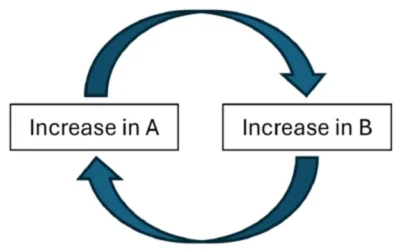
A negative cycle occurs when one problem unintentionally strengthens another problem, which then reinforces the original problem even further.
In other words:
- Problem A increases Problem B
- Problem B then increases Problem A
- The loop repeats and intensifies over time
Often, neither person intends for this to happen.
The cycle gradually takes on a life of its own.
Negative Cycles in Relationships
One of the clearest examples of a negative cycle appears in couples relationships.
For example:
- One partner feels hurt, frustrated, or disconnected
- They criticize, complain, or raise their voice
- The other partner feels attacked or criticized
- They become defensive, withdraw, or counterattack
- The first partner now feels even more unheard or rejected
The cycle escalates.
Over time, both people may begin feeling:
- hurt
- angry
- misunderstood
- emotionally unsafe
Research influenced by John Gottman has shown how repeated interaction patterns such as:
- criticism
- defensiveness
- withdrawal
- contempt
can gradually damage emotional connection within relationships.
Very often, the “enemy” is not either individual person.
The real problem is the cycle itself.
The Pursuer–Distancer Cycle
Another common pattern in relationships is the pursuer–distancer cycle.
Typically:
- one partner feels anxious about disconnection and reaches out more intensely
- the other partner feels pressured or overwhelmed and pulls away
Unfortunately, each person’s reaction unintentionally strengthens the other person’s fear.
The pursuer feels increasingly rejected.
The distancer feels increasingly overwhelmed.
Round and round the cycle goes.
Anxiety Often Works in Cycles Too
Cycles also appear in anxiety.
For example:
- you notice your heart racing
- you worry something is wrong
- your anxiety increases
- your body becomes even more activated
- you monitor yourself more closely
The cycle intensifies.
Many anxiety problems become self-reinforcing in this way.
Depression Can Become a Cycle
Depression frequently develops its own feedback loop.
For example:
- low mood reduces motivation
- reduced motivation leads to inactivity or withdrawal
- inactivity increases guilt, hopelessness, or loneliness
- those feelings deepen the depression further
People often begin telling themselves:
- “What’s the point?”
- “I won’t enjoy anything anyway”
- “I’m failing at life”
Unfortunately, these thoughts and behaviors often reinforce the original depression.
Why Emotional Regulation Matters
One reason cycles become so powerful is that emotions strongly influence behavior.
When people feel:
- anxious
- rejected
- criticized
- ashamed
- overwhelmed
they often react automatically and impulsively.
This is one reason I integrate skills from Dialectical Behavior Therapy into therapy work.
DBT-informed skills can help people:
- slow down emotional escalation
- regulate intense feelings
- tolerate distress more effectively
- respond more thoughtfully rather than react impulsively
When emotional regulation improves, cycles often begin to weaken.
Therapy Often Involves Identifying and Interrupting Cycles
A major part of therapy involves helping people:
- notice patterns more clearly
- understand what keeps the cycle going
- identify where change becomes possible
Often, even small changes can begin shifting the entire pattern.
For example:
- reducing criticism
- pausing before reacting
- expressing vulnerability differently
- increasing emotional awareness
- responding with curiosity instead of defensiveness
These changes can gradually transform vicious cycles into healthier and more constructive patterns.
Positive Cycles Can Develop Too
Fortunately, cycles can work in positive ways as well.
For example:
- feeling appreciated increases warmth
- warmth increases closeness
- closeness increases affection and goodwill
- affection encourages more positive interactions
Over time, positive emotional momentum can begin building in relationships and within individuals themselves.
You Are Not “Broken”
One of the most hopeful aspects of understanding cycles is realizing that many problems persist not because someone is fundamentally flawed, but because they have become caught in patterns that unintentionally reinforce distress.
Patterns can change.
And once cycles begin shifting in healthier directions, people often experience significant improvements in:
- relationships
- emotional wellbeing
- communication
- self-understanding
Therapy for Individuals and Couples in Scottsdale
I provide therapy in Scottsdale for:
- couples struggling with recurring conflict or disconnection
- individuals experiencing anxiety, depression, anger, or emotional overwhelm
My approach integrates:
- Gottman-informed relationship therapy
- DBT skills for emotional regulation and interpersonal effectiveness
- systems-based understanding of patterns and feedback loops
The goal is not simply to discuss problems endlessly, but to understand the cycles involved and begin changing them.
Learn More About Couples Therapy
Learn More About Individual Therapy
Schedule a Consultation
 EMAIL US